
Workout Plans
10-Minute Daily Workout for Adults Over 50
Ten minutes, no equipment: a minute-by-minute routine that works strength, balance and mobility every day.
Clear, safe workouts for every fitness level. Step-by-step instructions, printable routines and plans built on federal health guidelines. No gym, no sign-up.

Eight topics, each with routines you can start today.
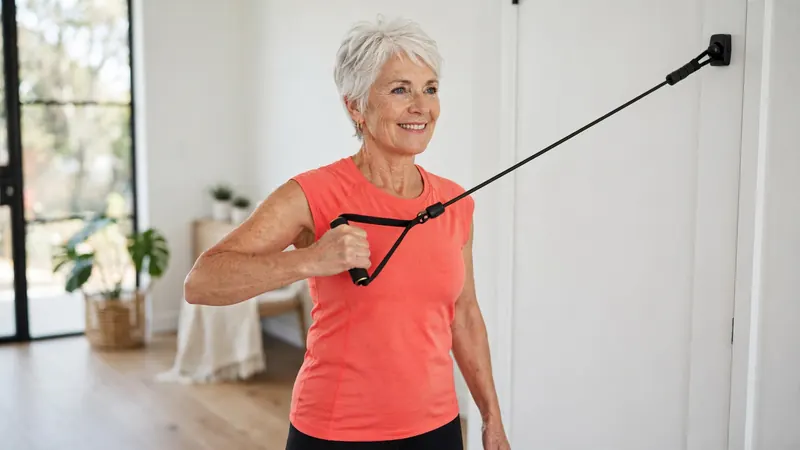 Strength TrainingBuild and keep muscle with bands, dumbbells or body weight.
 Balance & Fall PreventionSimple daily drills that help you stay steady on your feet.
 Mobility & FlexibilityGentle stretching and yoga for hips, shoulders and back.
 Low-Impact CardioWalking plans, indoor cardio and water workouts that spare your joints.
 Chair WorkoutsSeated strength, cardio and yoga — safe for any fitness level.
 Joint-Friendly FitnessExercise for arthritis, back pain, bone health and blood pressure.Workout PlansReady-made weekly schedules and 4-week programs.State GuidesSeason-by-season fitness tips for Tennessee, Missouri, Iowa and more.
The three building blocks every adult over 50 needs.
Ten minutes, no equipment: a minute-by-minute routine that works strength, balance and mobility every day.
A gentle, week-by-week home program that takes you from 10-minute walks and 1 set of strength moves to a routine that meets national activity guidelines.
Go from 10-minute strolls to 150 minutes of brisk walking a week with this gradual, joint-friendly 8-week plan.
Eight gentle stretches, about 10 minutes, no equipment beyond a chair. A simple morning routine to ease stiffness and start the day moving well.
Seven at-home balance exercises, from weight shifts to heel-to-toe walking, with a clear way to progress and tips for practicing safely.
Seven knee-friendly leg exercises you can do with a chair, a wall and a bottom stair to make getting up, climbing stairs and walking easier.
Season-by-season plans, local trails and senior fitness resources.
The U.S. Physical Activity Guidelines recommend at least 150 minutes a week of moderate aerobic activity, such as brisk walking, plus muscle-strengthening activity on two or more days. Adults 65 and older should also include balance training. Any amount is better than none, so start small and build up.
Yes. Body-weight moves like sit-to-stands and wall push-ups, a resistance band and a pair of light dumbbells are enough to build strength, and walking or indoor low-impact cardio covers heart health. Every routine on this site is designed for a living room.
No. Research summarized by the National Institute on Aging shows that older adults who start exercising later in life still gain strength, balance and endurance. Begin with short, easy sessions and increase gradually.
If you have a heart condition, high blood pressure, diabetes, joint replacements, recent surgery or symptoms such as chest pain or dizziness, check with your doctor first. Healthy adults can usually start light activity like walking and build up gradually.