Quick answer
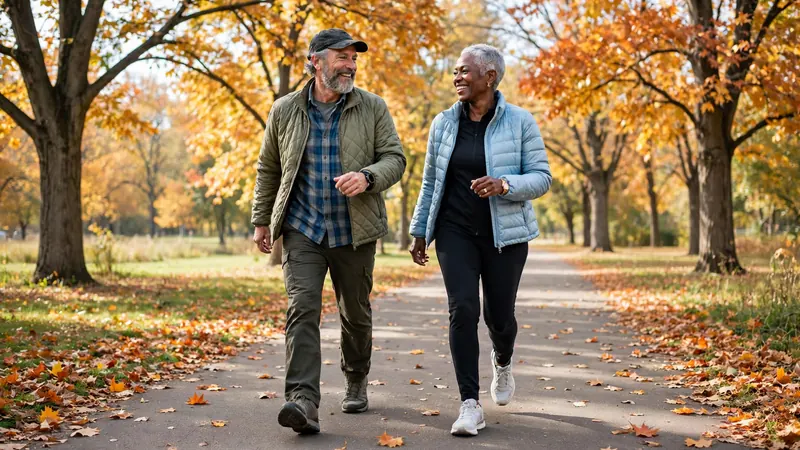
Iowans over 50 should aim for 150 minutes of moderate activity a week, strength training on at least 2 days and regular balance practice. Use spring through fall for walks on flat trails like the High Trestle Trail or the Cedar Valley Nature Trail, walk early on humid summer days, and switch to indoor walking and home strength work when wind chill and ice arrive.
Key takeaways
- Goal: 150 minutes of moderate cardio a week, strength on 2+ days and balance training (HHS).
- Iowa winters bring snow, ice and strong wind chill, so plan indoor walking from late fall to early spring.
- Summers can be hot and humid, with severe thunderstorms; walk early and watch the forecast.
- Flat trail picks: High Trestle Trail, Cedar Valley Nature Trail and Gray's Lake Park in Des Moines.
- Iowa's Area Agencies on Aging, listed by Iowa HHS, connect older adults with local programs.
Iowa is a walker's state. The land is mostly gentle, and old railroad lines have become long, level trails that link small towns across the countryside. The challenge is the weather: winters with bitter wind chill, summers that turn humid, and storms that can build quickly. If you are over 50, here is how to stay active through all four seasons.
How much exercise do you need?
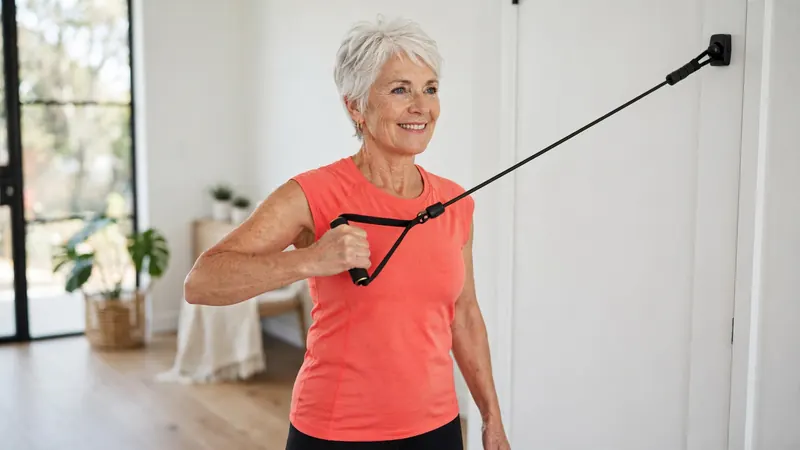
The HHS Physical Activity Guidelines recommend that older adults get 150 minutes of moderate aerobic activity a week, plus muscle-strengthening activity on 2 or more days and balance training. In practice, that is about 30 minutes of brisk walking on 5 days and two short strength sessions at home.
The CDC notes that if chronic conditions limit you, being as active as your abilities allow still helps. Start where you are and add a few minutes each week.
How does Iowa weather affect your routine?
Winter: wind chill, snow and ice
Open land means little shelter from the wind, so an Iowa winter day often feels much colder than the thermometer says. Dress in layers and cover your head, hands and face, or skip the outdoor walk on the coldest days. Ice is the bigger danger. The CDC reports that about 1 in 4 adults 65 and older fall each year, so icy days are indoor days.
Spring: thaw and storms
Spring brings mud, high water on some riverside trails, and the start of severe-storm season. Check trail conditions and the forecast before heading out.
Summer: humidity and severe weather
Iowa summers can be hot and very humid. Walk before mid-morning, carry water and slow down when it is muggy. Severe thunderstorms with damaging winds can develop quickly, so do not start a long rural trail walk when storms are in the forecast.
Fall: the sweet spot
Cool, dry fall days are perfect for longer trail walks. Build stamina now so you head into winter strong.
A four-season weekly plan for Iowa
| Season | Cardio (3-5 days) | Strength (2 days) | Balance |
|---|---|---|---|
| Spring | 30-min walks; a weekend trail walk once paths are dry | Home routine Tue and Fri | Heel-to-toe walk after each walk |
| Summer | Early 30-min walks or a pool session | Home routine Tue and Fri, indoors | Single-leg holds at the counter |
| Fall | Longer weekend trail walk, 45-60 min | Home routine Tue and Fri | Tai chi or yoga once a week |
| Winter | Indoor walking: mall, track or home cardio | Home routine Mon and Thu | Daily 5-min balance set |
Want a walking plan that builds week by week? See our walking workout plan for over 50.
A 4-move indoor routine for winter
Do this routine twice a week through the cold months. You need a sturdy chair and light dumbbells, or full water bottles.
The exercises
Sit-to-Stand
Works: Thighs, glutes2 sets of 8-12 reps
- Sit near the front of a sturdy chair, feet flat and hip-width apart.
- Lean forward slightly and stand up tall.
- Lower yourself slowly back to the seat.
- Make it easier
- Push off with your hands.
- Make it harder
- Hold a light dumbbell at your chest.
- Safety tip
- Keep the chair against a wall.
Seated Biceps Curl
Works: Arms2 sets of 10-12 reps
- Sit tall holding a light dumbbell in each hand, arms at your sides, palms forward.
- Bend your elbows to bring the weights toward your shoulders.
- Lower slowly.
- Make it easier
- Use lighter weights or one arm at a time.
- Make it harder
- Stand while curling.
- Safety tip
- Keep your elbows close to your sides and avoid swinging.
Standing Hip Extension
Works: Glutes, lower back2 sets of 10 per leg
- Stand behind the chair, holding the back.
- Keeping your leg straight, move one leg slowly back a few inches.
- Return and repeat, then switch legs.
- Make it easier
- Make the movement smaller.
- Make it harder
- Hold for 2 seconds at the back.
- Safety tip
- Keep your upper body upright; do not arch your back.
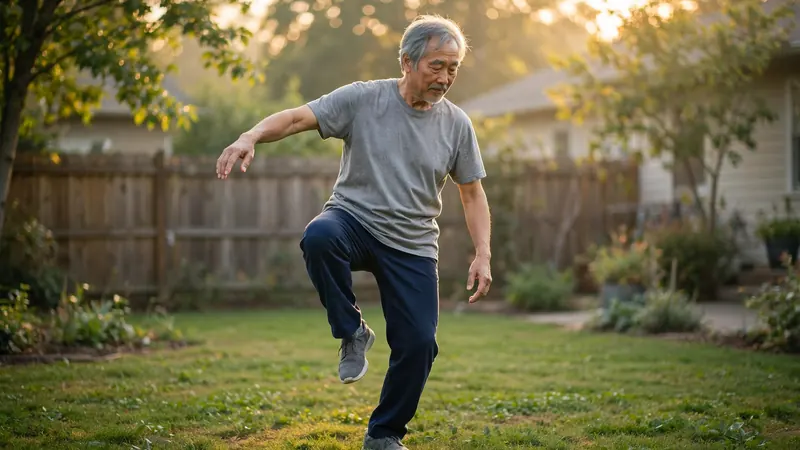
Heel-to-Toe Walk
Works: Balance2 lengths of a hallway
- Stand next to a wall or counter.
- Place one heel just in front of the other foot's toes.
- Take 10 to 15 slow steps, then turn around.
- Make it easier
- Keep a hand on the wall.
- Make it harder
- Look ahead instead of at your feet.
- Safety tip
- Clear the path of rugs and clutter first.
Where can you walk in Iowa?
- High Trestle Trail: a paved rail-trail running about 25 miles between Ankeny and Woodward, north of Des Moines. Its best-known feature is a half-mile bridge high above the Des Moines River valley. The trail is level, so short out-and-back walks from any trail town are easy.
- Cedar Valley Nature Trail: a rail-trail following the Cedar River between the Cedar Rapids area and the Waterloo area, through woods and small towns.
- Gray's Lake Park, Des Moines: a paved loop of about 2 miles around a lake near downtown, with benches and a pedestrian bridge across the water.
Davenport's riverfront, Iowa City, Ames and Sioux City also have paved city trails. Your local parks department or county conservation board can suggest a flat route.
Indoor options for cold months
- Home: the routine above, plus our fall prevention exercises for extra balance work before icy season.
- Malls: some malls welcome early-morning walkers. Ask the management office.
- Senior centers: many Iowa towns have senior centers with exercise classes and walking groups.
- YMCAs and rec centers: indoor tracks and pools keep your routine going through January and February.
Is a gym covered by Medicare?
Original Medicare generally does not pay for gym memberships. Some Medicare Advantage plans include fitness programs such as SilverSneakers or Renew Active, which may cover participating gyms or online classes. Check whether your plan includes it, since benefits vary.
Finding local help in Iowa
Iowa's Area Agencies on Aging help adults 60 and older and their caregivers find local services, including senior centers, exercise programs, meals and transportation. Start at the Iowa Department of Health and Human Services aging services page or the Eldercare Locator.
When to talk to your doctor
Check with your doctor before you step up your activity if you have a heart condition, uncontrolled blood pressure, diabetes, recent surgery, or chest pain or dizziness with effort. Shoveling heavy snow is strenuous, so ask whether it is safe for you. The National Institute on Aging has more on exercising safely.
Frequently asked questions
Is the High Trestle Trail good for seniors?
Yes, for many walkers. It is paved and level, with trail towns along the way where you can start a short out-and-back walk. Bring water and check the forecast, since parts of the trail run through open countryside.
How can I stay active in an Iowa winter?
Walk indoors at a mall, YMCA or rec center, and do a 20-minute home strength and balance routine twice a week. Save outdoor walks for calm, dry days and skip them when it is icy or the wind chill is severe.
Does Medicare cover SilverSneakers in Iowa?
Original Medicare generally does not. Some Medicare Advantage plans in Iowa include SilverSneakers, Renew Active or a similar benefit. Check your plan details to see whether yours does.
How do I find my Area Agency on Aging in Iowa?
Visit the aging services page on the Iowa HHS website, which links to the state's Area Agencies on Aging, or use the Eldercare Locator and enter your ZIP code.
Sources
- HHS: Physical Activity Guidelines for Americans, 2nd edition
- CDC: Physical Activity Guidelines for Older Adults
- CDC: Older Adult Fall Prevention
- Iowa Department of Health and Human Services: Aging Services
- U.S. Administration for Community Living: Eldercare Locator
Health note: This article is general information, not medical advice. If you have a heart condition, high blood pressure, diabetes, recent surgery, joint replacement or any symptoms such as chest pain, dizziness or unusual shortness of breath, talk to your doctor before starting. Stop any exercise that causes sharp pain. Read our full disclaimer.